

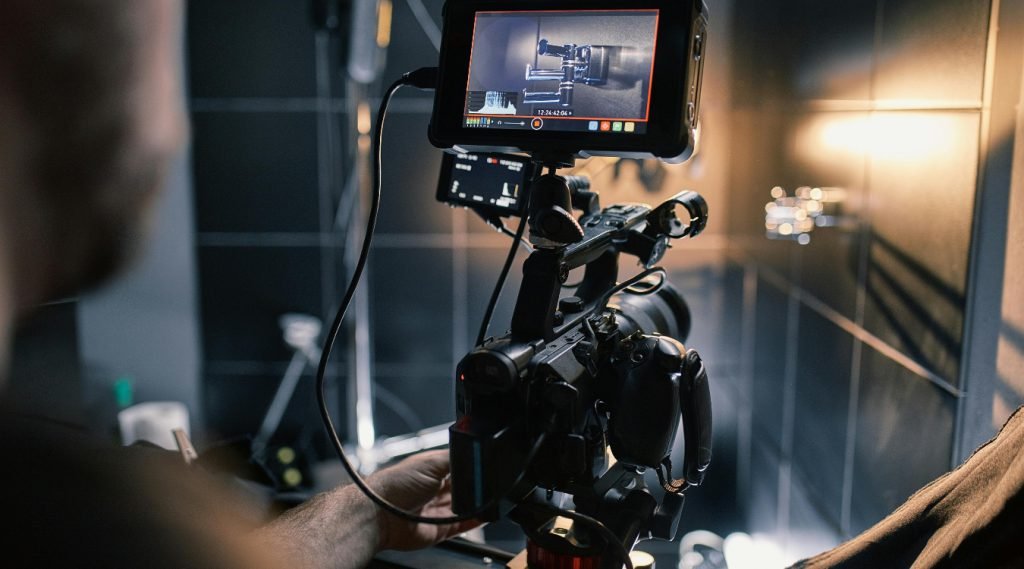
Cinematography is more than pointing a camera and capturing an image. It is the language of visual storytelling—the way light, composition, movement, and perspective come together to evoke emotions, shape characters, and guide audiences through a narrative. Great cinematographers don’t just record; they interpret. They craft stories that resonate long after the final frame fades to black.
In this post, we’ll explore the artistry behind cinematography and uncover lessons from masters of the craft.
1. Story Comes First
Every choice a cinematographer makes—camera angle, lens, color palette—must serve the story. The best visuals don’t exist in isolation; they are inseparable from the characters and themes.
-
Ask: What does the story need me to show?
-
Align every technical decision with emotional intent.
-
Remember that beauty without purpose can distract from the narrative.
Think of Emmanuel Lubezki’s sweeping natural light in The Revenant or Roger Deakins’ austere compositions in No Country for Old Men. Their choices enhance the story’s tone and immerse us in its world.
2. Light as Emotion
Light is a cinematographer’s paintbrush. It creates mood, directs focus, and transforms the ordinary into the extraordinary.
-
Harsh, high-contrast light can heighten tension.
-
Soft, diffused light often conveys intimacy or nostalgia.
-
Shadows can add mystery, while silhouettes can evoke myth or grandeur.
The most memorable films use lighting not only to reveal, but also to conceal—letting the imagination of the audience do part of the storytelling.
3. Composition: Framing the Narrative
Every frame is a canvas. The arrangement of subjects, the balance of negative space, and the movement within the frame all contribute to meaning.
-
Use symmetry to emphasize control or perfection.
-
Embrace asymmetry to introduce tension or imbalance.
-
Play with perspective—low angles to empower, high angles to diminish.
Cinematographers often say, “If you pause any great film, the still should stand as a photograph.” This philosophy underlines the idea that every frame tells its own micro-story.
4. The Power of Camera Movement
Static shots create stillness and weight, while dynamic movements generate energy and anticipation. Movement should always feel motivated, not gratuitous.
-
A slow dolly forward can draw us deeper into a character’s psyche.
-
A handheld shot can add chaos and immediacy.
-
Long takes can immerse us, while quick cuts and kinetic motion create urgency.
The dance between camera and subject creates rhythm, pacing, and emotional texture that resonate subconsciously with viewers.
5. Color as Subtext
Color is more than aesthetic—it’s symbolic. It can foreshadow, underscore themes, and influence how we feel about a scene.
-
Warm tones often suggest comfort, nostalgia, or romance.
-
Cool tones can evoke isolation, detachment, or melancholy.
-
Shifts in palette across a film often reflect character growth or narrative transformation.
A masterful cinematographer knows when to saturate the screen and when to strip it bare.
6. Collaboration: The Cinematographer as Story Partner
Cinematography doesn’t exist in a vacuum. The cinematographer works closely with the director, production designer, and editor to shape a unified vision.
-
Collaborate early on with directors to align visuals with story intent.
-
Work hand-in-hand with production design to ensure sets and lighting enhance each other.
-
Consider how your images will cut together in the edit—continuity of visual language is key.
The best cinematographers are both artists and collaborators, building trust and synergy that bring the story to life.
7. Lasting Images Are Emotional Anchors
Audiences often forget dialogue, but they rarely forget images. Think of the bicycle against the sunset in E.T., the endless desert horizon in Lawrence of Arabia, or the neon glow of Blade Runner.
These images last because they do more than look beautiful—they carry the weight of story, character, and feeling. They become emotional anchors we return to, sometimes for a lifetime.
The art of cinematography lies in its ability to balance technique with emotion, discipline with inspiration. The choices a cinematographer makes frame not just the image, but also the way we experience and remember the story.
Great cinematography doesn’t just capture—it endures. It reminds us that the moving image, at its best, is both a craft and a poetry that shapes how stories live on in our collective memory.